

How does the friction coefficient of TA10 Titanium affect its applications?
Nov 18, 2025
Hey there! As a supplier of TA10 Titanium, I've been getting a lot of questions about how the friction coefficient of this amazing material affects its applications. So, I thought I'd sit down and write a blog post to share some insights.
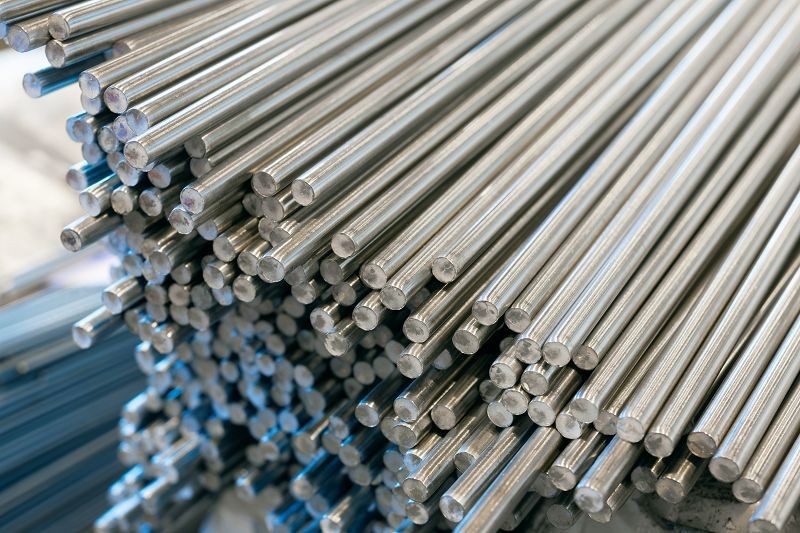
First off, let's talk a bit about what TA10 Titanium is. TA10 Titanium is a type of titanium alloy that's known for its excellent corrosion resistance, good mechanical properties, and high strength-to-weight ratio. It's widely used in various industries, including aerospace, chemical processing, and marine engineering.
Now, let's dive into the friction coefficient. The friction coefficient is a measure of how much two surfaces resist sliding against each other. In the case of TA10 Titanium, its friction coefficient plays a crucial role in determining its performance in different applications.

In Aerospace Applications
In the aerospace industry, TA10 Titanium is often used in components that require high strength and low weight. The friction coefficient of TA10 Titanium can affect the performance of these components in several ways.
For example, in aircraft engines, TA10 Titanium is used in parts like compressor blades and turbine disks. These components operate under high speeds and extreme temperatures, and the friction coefficient can impact their efficiency and durability. A lower friction coefficient means less energy is lost as heat during the operation, which can improve the overall efficiency of the engine. Additionally, it can reduce wear and tear on the components, extending their service life.
On the other hand, in some aerospace applications where precise movement and control are required, such as in the landing gear or flight control systems, a specific friction coefficient might be needed to ensure smooth and reliable operation. Engineers need to carefully consider the friction characteristics of TA10 Titanium to design these systems effectively.
In Chemical Processing
In the chemical processing industry, TA10 Titanium is highly valued for its corrosion resistance. However, the friction coefficient also matters in this context.
Many chemical processing plants use TA10 Titanium in pipes, valves, and pumps. When fluids flow through these components, the friction between the fluid and the TA10 Titanium surface can affect the flow rate and pressure drop. A lower friction coefficient can result in a more efficient flow, reducing the energy required to pump the fluids. This can lead to significant cost savings in the long run.
Moreover, in equipment where there are moving parts, such as agitators or mixers, the friction coefficient of TA10 Titanium can impact the power consumption and the wear of the parts. By choosing TA10 Titanium with an appropriate friction coefficient, chemical processing companies can improve the performance and reliability of their equipment.
In Marine Engineering
The marine environment is harsh, with saltwater corrosion and constant mechanical stress. TA10 Titanium is a popular choice for marine applications because of its corrosion resistance. But the friction coefficient also has its role to play.
In shipbuilding, TA10 Titanium can be used in propellers, rudders, and other underwater components. The friction coefficient between the TA10 Titanium and the water can affect the hydrodynamic performance of the ship. A lower friction coefficient can reduce drag, allowing the ship to move more efficiently through the water. This can lead to improved fuel efficiency and higher speeds.
In addition, in marine structures like offshore platforms, TA10 Titanium might be used in connectors and fasteners. The friction coefficient between these components can impact their stability and load-bearing capacity. Engineers need to ensure that the friction characteristics are suitable for the specific marine conditions to prevent any failures.
Comparison with Other Titanium Alloys
It's also interesting to compare the friction coefficient of TA10 Titanium with other titanium alloys like TA2 Titanium, TA3 Titanium, and TA1 Titanium.
TA2 Titanium is a commercially pure titanium alloy with good corrosion resistance. It generally has a different friction coefficient compared to TA10 Titanium. Depending on the application, one alloy might be more suitable than the other based on their friction characteristics. For example, if a lower friction coefficient is crucial for a particular application, TA10 Titanium might be the better choice.
TA3 Titanium is another titanium alloy with relatively high strength. Its friction coefficient can also vary from that of TA10 Titanium. The choice between these two alloys often depends on a combination of factors, including the required strength, corrosion resistance, and friction performance.
TA1 Titanium is a pure titanium with high ductility. Similar to the other alloys, its friction coefficient can influence its use in different applications. By understanding the differences in friction coefficients among these alloys, engineers can make more informed decisions when selecting the right material for their projects.
Controlling the Friction Coefficient
As a TA10 Titanium supplier, I know that sometimes customers might need to control the friction coefficient of the material for their specific applications. There are several ways to achieve this.
One method is through surface treatment. By applying a special coating or finish to the TA10 Titanium surface, the friction coefficient can be adjusted. For example, a lubricious coating can reduce the friction, while a textured surface might increase it.
Another way is through heat treatment. The heat treatment process can change the microstructure of TA10 Titanium, which in turn can affect its friction properties. By carefully controlling the heat treatment parameters, we can fine-tune the friction coefficient to meet the customer's requirements.
Conclusion
In conclusion, the friction coefficient of TA10 Titanium has a significant impact on its applications in various industries. Whether it's in aerospace, chemical processing, or marine engineering, understanding and controlling the friction coefficient can lead to improved performance, efficiency, and durability of the components made from TA10 Titanium.
If you're involved in a project that requires TA10 Titanium and have questions about its friction coefficient or other properties, I'd love to help. Just reach out to me, and we can have a chat about how to select the right TA10 Titanium for your needs. Let's work together to make your project a success!
References
- ASM Handbook Volume 2: Properties and Selection: Nonferrous Alloys and Special-Purpose Materials
- Titanium: A Technical Guide, Second Edition by Don Eylon, William J. McGill, and B. L. Bramfitt