

How to heat - treat TA3 Titanium?
Oct 20, 2025
Hey there! I'm a supplier of TA3 Titanium, and today I'm gonna share with you how to heat - treat TA3 Titanium. Heat treatment is a crucial process that can significantly enhance the mechanical properties of TA3 Titanium, making it more suitable for various applications.
First off, let's understand what TA3 Titanium is. TA3 Titanium is an alpha titanium alloy. It's known for its excellent corrosion resistance, good weldability, and relatively high strength - to - weight ratio. These properties make it a popular choice in industries like aerospace, marine, and chemical processing.
Pre - treatment Preparations
Before we start the heat - treating process, there are a few things we need to do. The first step is to clean the TA3 Titanium workpiece. Any dirt, grease, or oxide layer on the surface can affect the heat - treatment results. We usually use a mild alkaline solution to clean the surface, followed by a thorough rinse with water and then drying.
Next, we need to inspect the workpiece for any cracks or defects. Even small cracks can propagate during the heat - treatment process, leading to the failure of the final product. Non - destructive testing methods like ultrasonic testing or dye penetrant testing are commonly used for this purpose.
Annealing
One of the most common heat - treatment methods for TA3 Titanium is annealing. Annealing helps to relieve internal stresses, improve ductility, and refine the grain structure.
The annealing process for TA3 Titanium typically involves heating the workpiece to a temperature between 700°C and 800°C. This temperature range is carefully chosen because it allows the titanium atoms to rearrange themselves without causing excessive grain growth.
We usually heat the workpiece at a relatively slow rate, around 100°C per hour. This slow heating rate ensures that the entire workpiece reaches the desired temperature uniformly. Once the workpiece reaches the annealing temperature, we hold it there for a certain period. The holding time depends on the thickness and size of the workpiece, but it's generally between 1 and 3 hours.
After the holding time, we cool the workpiece. There are different cooling methods, but for TA3 Titanium, air cooling is often sufficient. Air cooling is a relatively slow cooling process, which helps to maintain the refined grain structure and the improved mechanical properties.
Solution Treatment and Aging
Solution treatment and aging are another important heat - treatment combination for TA3 Titanium. This process can significantly increase the strength of the alloy.
Solution treatment involves heating the TA3 Titanium to a high temperature, usually above the beta - transus temperature (around 900°C - 950°C for TA3 Titanium). At this high temperature, the alloying elements dissolve into the titanium matrix, forming a single - phase solid solution.
We heat the workpiece rapidly to the solution - treatment temperature to minimize the formation of unwanted phases. Once at the temperature, we hold it for a short period, typically 30 minutes to 1 hour. This short holding time is to prevent excessive grain growth.
After solution treatment, we quench the workpiece in water or oil. Quenching is a very fast cooling process that "freezes" the single - phase solid solution at room temperature. However, quenching can also introduce internal stresses in the workpiece.
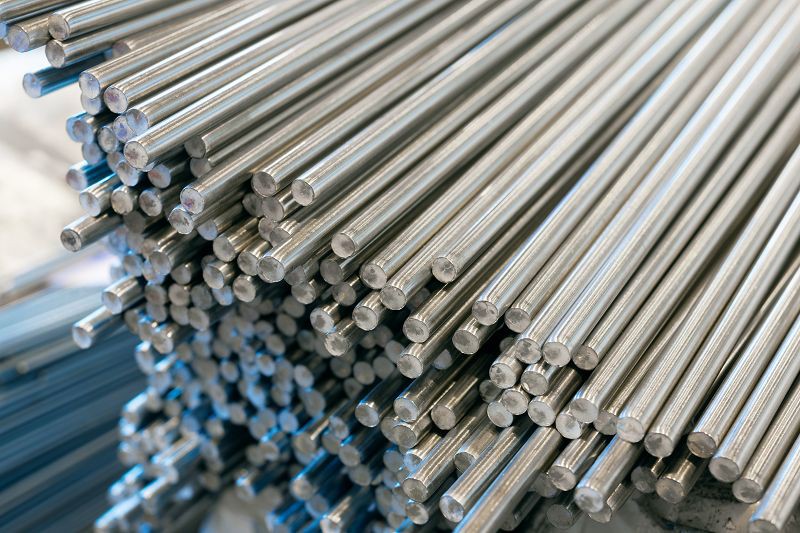

To relieve these stresses and further enhance the strength, we perform aging. Aging involves heating the quenched workpiece to a lower temperature, usually between 400°C and 600°C, and holding it there for several hours. During aging, the dissolved alloying elements precipitate out of the solid solution, forming fine particles that strengthen the alloy.
Comparison with Other Titanium Alloys
It's interesting to compare the heat - treatment processes of TA3 Titanium with other titanium alloys like TA1 Titanium, TC2 Titanium, and TB5 Titanium.
TA1 Titanium is a pure titanium alloy with relatively low strength. Its heat - treatment processes are mainly focused on improving ductility and relieving stresses, similar to TA3 Titanium but with lower temperature requirements.
TC2 Titanium is an alpha - beta titanium alloy. Its heat - treatment is more complex because it involves controlling the ratio of alpha and beta phases. The solution - treatment and aging processes for TC2 Titanium need to be more precisely controlled to achieve the desired balance between strength and ductility.
TB5 Titanium is a beta - rich titanium alloy. It has a very high strength potential but requires more specialized heat - treatment techniques. The beta - transus temperature for TB5 Titanium is different from TA3 Titanium, and the cooling rates during heat - treatment are also more critical.
Quality Control during Heat - Treatment
Quality control is essential during the heat - treatment process of TA3 Titanium. We use various methods to ensure that the heat - treated products meet the required standards.
One of the most important aspects is temperature control. We use thermocouples to monitor the temperature inside the furnace continuously. Any deviation from the set temperature can affect the heat - treatment results, so we have a feedback control system to adjust the heating elements accordingly.
We also perform hardness testing on the heat - treated workpieces. Hardness is a good indicator of the mechanical properties of the alloy. By measuring the hardness at different locations on the workpiece, we can ensure that the heat - treatment is uniform.
Microstructural analysis is another crucial quality - control method. We take samples from the heat - treated workpieces and prepare them for microscopic examination. This allows us to check the grain size, phase distribution, and the presence of any defects in the microstructure.
Applications of Heat - Treated TA3 Titanium
Heat - treated TA3 Titanium has a wide range of applications. In the aerospace industry, it can be used for aircraft structural components, such as frames and brackets. The improved strength and corrosion resistance make it a reliable choice for these critical applications.
In the marine industry, heat - treated TA3 Titanium is used for shipbuilding, especially for parts that are exposed to seawater. Its excellent corrosion resistance ensures a long service life in harsh marine environments.
In the chemical processing industry, TA3 Titanium can be used for reactors, pipes, and valves. The heat - treatment process enhances its resistance to chemical corrosion, making it suitable for handling various corrosive chemicals.
Conclusion
Heat - treating TA3 Titanium is a complex but rewarding process. By carefully controlling the heat - treatment parameters, we can significantly improve the mechanical properties and corrosion resistance of the alloy, making it suitable for a wide range of applications.
If you're interested in purchasing TA3 Titanium or have any questions about its heat - treatment process, feel free to contact us for further discussions and negotiations. We're here to provide you with high - quality TA3 Titanium products and professional technical support.
References
- "Titanium and Titanium Alloys: Fundamentals and Applications" by J. C. Williams and E. W. Collings.
- "Heat Treatment of Metals" by L. H. Van Vlack.