

Can TA1 Titanium be used in the sports equipment industry?
Dec 18, 2025
Can TA1 Titanium be used in the sports equipment industry?
Hey there! I'm a supplier of TA1 Titanium, and I've been getting a lot of questions lately about whether this amazing material can be used in the sports equipment industry. Well, let's dive right in and find out!
First off, let's talk a bit about TA1 Titanium. It's a pure titanium grade, known for its excellent corrosion resistance, high strength - to - weight ratio, and good biocompatibility. These properties make it a pretty attractive option for a whole bunch of applications, and the sports equipment field is no exception.
One of the biggest advantages of using TA1 Titanium in sports equipment is its strength - to - weight ratio. In sports, every ounce matters. Whether you're a cyclist trying to shave off those extra grams to gain speed, or a weightlifter looking for a barbell that's strong but not overly heavy, TA1 Titanium can be a game - changer. For example, in cycling, frames made from TA1 Titanium can be incredibly light yet strong enough to withstand the rigors of rough terrains and high - speed rides. This means cyclists can pedal faster with less effort, giving them a competitive edge.
Another great thing about TA1 Titanium is its corrosion resistance. Sports equipment is often exposed to various elements, like sweat, water, and even salt in some cases. Over time, regular metals can start to rust and degrade, which not only affects the appearance but also the performance and safety of the equipment. TA1 Titanium, on the other hand, can resist corrosion, ensuring that the sports equipment stays in top condition for a longer time. Think about a set of golf clubs. If they're made from TA1 Titanium, they can endure being out in the rain on the golf course or being exposed to the salty air near the ocean without getting rusty.

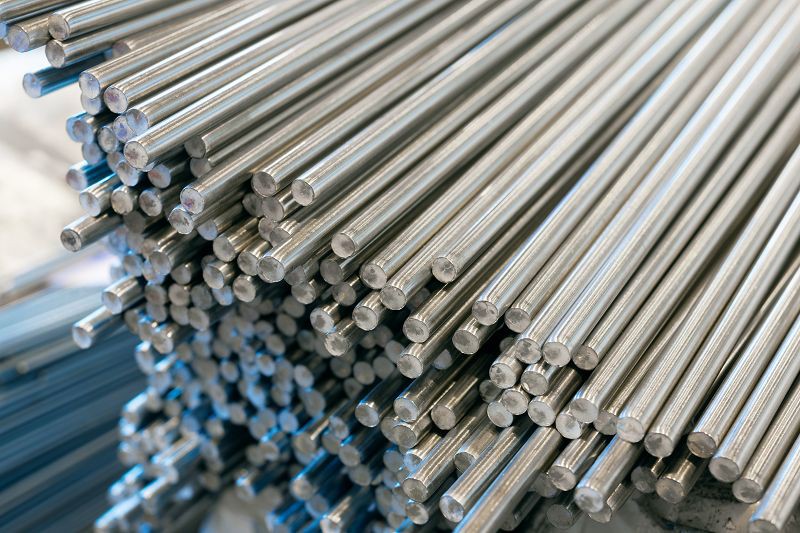
Now, let's look at some specific types of sports equipment where TA1 Titanium could be used.
In the world of tennis, TA1 Titanium could be used to make tennis racket frames. The light weight of the titanium would allow players to swing the racket more quickly, increasing their reaction time and power. At the same time, the strength of the material would ensure that the racket can withstand the high - impact forces generated during powerful serves and groundstrokes.
For track and field athletes, TA1 Titanium could be used in the construction of javelins or pole vault poles. A lighter yet strong javelin would allow athletes to throw it farther, and a pole vault pole made from this material could provide better flexibility and durability, helping athletes achieve greater heights.
In the fitness industry, TA1 Titanium could be used to make dumbbells, barbells, and other weight - training equipment. The corrosion - resistant property would be a huge plus in a gym environment where equipment is constantly being used and exposed to sweat. And the lighter weight of the titanium equipment would make it easier for beginners to start their fitness journey without feeling overwhelmed by heavy weights.
But it's not just about TA1 Titanium. There are other titanium alloys that are also used in the sports equipment industry. For instance, TC 9 Titanium is known for its high strength and good weldability, which could be used in the construction of more complex sports equipment structures. TA9 Titanium has similar corrosion - resistant properties to TA1 Titanium but with some additional alloying elements that might give it different performance characteristics in certain applications. And TC2 Titanium is often used in applications where a balance between strength and ductility is required.
Of course, there are some challenges when it comes to using TA1 Titanium in the sports equipment industry. One of the main issues is the cost. Titanium is generally more expensive than traditional metals like steel or aluminum. This means that sports equipment made from TA1 Titanium might have a higher price tag. However, when you consider the long - term benefits, such as durability and performance, the investment could be well worth it.
Another challenge is the manufacturing process. Working with titanium requires specialized equipment and skills. Machining, welding, and forming titanium can be more difficult compared to other metals. But as technology advances, these challenges are becoming more and more manageable.
In conclusion, TA1 Titanium definitely has a place in the sports equipment industry. Its unique properties make it a great candidate for a wide range of sports equipment, from cycling frames to tennis rackets. While there are some challenges to overcome, the benefits it offers in terms of performance and durability are significant.
If you're in the sports equipment manufacturing business or are just interested in exploring the possibilities of using TA1 Titanium in your projects, I'd love to have a chat with you. We can discuss how this amazing material can be tailored to your specific needs and how we can work together to make high - quality sports equipment. Don't hesitate to reach out for a procurement discussion.
References
- "Titanium Alloys: Properties and Applications" - A comprehensive book on titanium alloys and their various uses.
- Journal of Sports Equipment Technology - Articles on the latest trends and materials in sports equipment manufacturing.