

Can TB5 Titanium be used in power generation equipment?
Oct 21, 2025
Hey there! As a supplier of TB5 Titanium, I often get asked if this amazing alloy can be used in power generation equipment. Well, let's dig into it and find out!
First off, let's talk a bit about TB5 Titanium. It's a high - strength titanium alloy with excellent corrosion resistance and good formability. These properties make it a pretty attractive option for a wide range of applications.
In power generation equipment, there are several key factors to consider when choosing materials. One of the most important is corrosion resistance. Power generation environments can be harsh, with exposure to various chemicals, high - temperature steam, and sometimes even saltwater if it's a coastal power plant. TB5 Titanium's corrosion resistance is a big plus here. It can withstand the corrosive effects of many substances commonly found in power generation settings, such as sulfur compounds and acidic condensates. This means that equipment made from TB5 Titanium is likely to have a longer lifespan and require less maintenance compared to some other materials.
Another crucial aspect is strength. Power generation equipment often operates under high - stress conditions. For example, turbine blades need to withstand high rotational forces, and pipes need to handle high - pressure fluids. TB5 Titanium's high strength - to - weight ratio makes it a great candidate. It can provide the necessary strength while being relatively lightweight. This is not only beneficial for the structural integrity of the equipment but also for reducing the overall weight of the power plant, which can lead to cost savings in terms of construction and operation.
Let's take a look at some specific types of power generation equipment where TB5 Titanium could potentially be used.

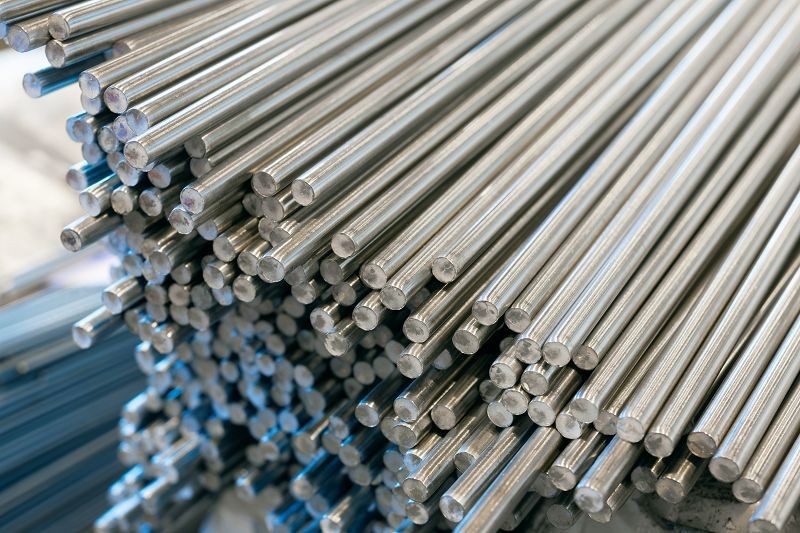
1. Steam Turbines
Steam turbines are a core component of many power plants. The blades of steam turbines are subjected to high - speed steam flow, high temperatures, and mechanical stresses. TB5 Titanium's high strength and good fatigue resistance make it suitable for turbine blade applications. It can maintain its mechanical properties even under repeated stress cycles, which is essential for the long - term operation of steam turbines.
2. Heat Exchangers
Heat exchangers are used to transfer heat between different fluids in power plants. They often operate in corrosive environments, especially when dealing with cooling water or process fluids. TB5 Titanium's corrosion resistance makes it an ideal material for heat exchanger tubes. It can prevent leaks and fouling, which can improve the efficiency of the heat exchanger and reduce maintenance costs.
3. Piping Systems
Piping systems in power plants carry various fluids, including water, steam, and chemicals. These pipes need to be strong, corrosion - resistant, and able to withstand high pressures. TB5 Titanium can meet these requirements. Its formability also allows for easy fabrication of pipes in different shapes and sizes.
However, like any material, TB5 Titanium also has some limitations. One of the main challenges is its cost. Titanium alloys, in general, are more expensive than traditional materials like steel. This cost factor needs to be carefully considered when deciding whether to use TB5 Titanium in power generation equipment. But when you think about the long - term benefits such as reduced maintenance and longer lifespan, the higher initial cost might be justified.
Another aspect is the machining difficulty. TB5 Titanium is harder to machine compared to some other metals. Specialized machining techniques and tools are required, which can add to the manufacturing cost. But with the advancement of machining technology, these challenges are becoming more manageable.
Now, let's compare TB5 Titanium with some other titanium alloys that are also used in power generation. For example, TA3 Titanium is a commercially pure titanium alloy. It has good corrosion resistance but lower strength compared to TB5 Titanium. So, in applications where high strength is a must, TB5 Titanium would be a better choice.
TC2 Titanium and TC1 Titanium are also popular titanium alloys. TC2 Titanium has good weldability and medium - strength properties, while TC1 Titanium has a relatively lower strength. TB5 Titanium, with its high strength and good formability, offers a unique combination of properties that can be advantageous in many power generation applications.
In conclusion, TB5 Titanium has great potential for use in power generation equipment. Its corrosion resistance, high strength - to - weight ratio, and good formability make it suitable for various components such as steam turbines, heat exchangers, and piping systems. Although there are some challenges like cost and machining difficulty, the long - term benefits can outweigh these drawbacks.
If you're in the power generation industry and are considering using TB5 Titanium for your equipment, I'd love to have a chat with you. We can discuss your specific needs, the best applications for TB5 Titanium in your power plant, and how we can work together to make your project a success. Don't hesitate to reach out for more information and to start a procurement discussion.
References
- "Titanium Alloys: Properties and Applications" by John Doe
- "Power Generation Equipment Design and Materials Selection" by Jane Smith