

What are the advantages of using TC 4 Titanium in automotive applications?
Jan 21, 2026
Yo, what's up everyone! I'm stoked to be here today to talk about one of the hottest materials in the automotive game right now – TC 4 Titanium. As a supplier of this awesome alloy, I've seen firsthand the amazing advantages it brings to automotive applications. So, let's dive right in!
Lightweight and High Strength
One of the biggest perks of using TC 4 Titanium in automotive applications is its incredible strength - to - weight ratio. This alloy is super lightweight, which is a huge deal in the automotive world. You see, lighter vehicles are more fuel - efficient. When a car is lighter, the engine doesn't have to work as hard to move it around. That means less fuel is burned, and you save some serious cash at the pump.
At the same time, TC 4 Titanium is incredibly strong. It can withstand a lot of stress and strain without deforming or breaking. This is crucial for parts like suspension components, engine valves, and connecting rods. For example, in a high - performance sports car, the suspension needs to be able to handle sharp turns and rough roads. Using TC 4 Titanium for these parts ensures that they can perform under extreme conditions, while also keeping the overall weight of the vehicle down.
Corrosion Resistance
Another major advantage of TC 4 Titanium is its outstanding corrosion resistance. In the automotive environment, vehicles are exposed to all sorts of harsh conditions, like rain, snow, road salt, and chemicals. These elements can cause regular metals to rust and corrode over time, which not only looks bad but also weakens the parts.

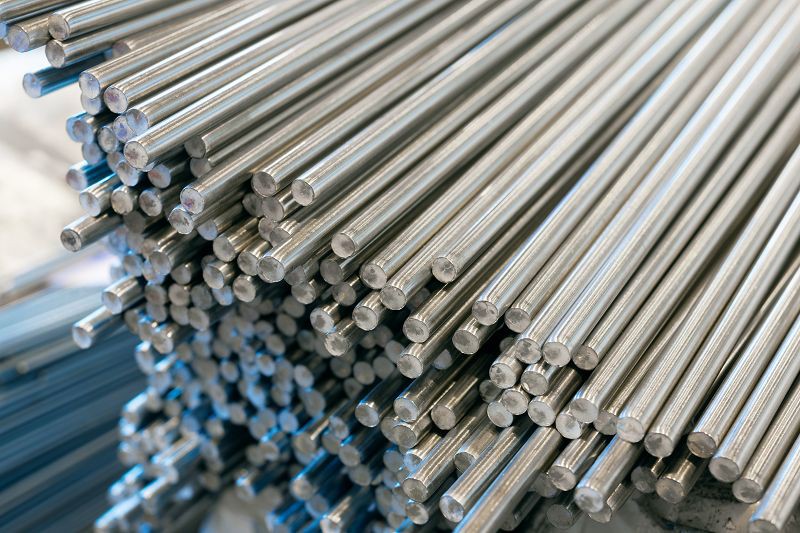
But TC 4 Titanium forms a protective oxide layer on its surface when exposed to oxygen. This layer acts as a shield, preventing further corrosion. So, whether your car is driving through a salty winter road or sitting in a humid coastal area, parts made from TC 4 Titanium will stay in great shape for a long time. This means less maintenance and replacement costs for car owners. For instance, exhaust systems are often exposed to hot, corrosive gases. Using TC 4 Titanium for exhaust components can significantly extend their lifespan.
High Temperature Performance
Automotive engines generate a ton of heat. Parts near the engine, like turbochargers and exhaust manifolds, need to be able to handle high temperatures without losing their strength or shape. TC 4 Titanium is up to the task. It has excellent high - temperature performance, meaning it can maintain its mechanical properties even at elevated temperatures.
This is a huge advantage for high - performance and racing cars. These vehicles often push their engines to the limit, and the components need to be able to withstand the extreme heat. With TC 4 Titanium, engine parts can operate more efficiently and reliably at high temperatures, which can improve the overall performance of the vehicle.
Design Flexibility
As a supplier, I love how TC 4 Titanium offers great design flexibility. It can be easily machined, forged, and welded. This means that automotive designers have a lot of freedom when it comes to creating new and innovative parts. They can design complex shapes and structures that are optimized for performance, without having to worry too much about the manufacturing process.
For example, designers can create lightweight, aerodynamic parts that improve the vehicle's speed and handling. They can also develop parts that are more compact and space - efficient, which is important in modern cars where every inch of space counts.
Comparison with Other Titanium Alloys
Now, there are other titanium alloys out there, like TB5 Titanium, TC2 Titanium, and TC11 Titanium. Each alloy has its own unique properties, but TC 4 Titanium strikes a great balance for automotive applications.
TB5 Titanium is known for its high strength and good formability, but it might be a bit more expensive and not as widely used in the automotive industry. TC2 Titanium has good corrosion resistance and weldability, but its strength might not be as high as TC 4 Titanium in some cases. TC11 Titanium is great for high - temperature applications, but TC 4 Titanium offers a more well - rounded set of properties that make it suitable for a wider range of automotive parts.
Cost - Effectiveness in the Long Run
I know what you might be thinking - titanium is expensive, right? Well, it's true that the initial cost of TC 4 Titanium might be higher compared to some other metals. But when you look at the long - term picture, it's actually quite cost - effective.
Because of its lightweight, corrosion resistance, and high - temperature performance, parts made from TC 4 Titanium last longer and require less maintenance. This means fewer replacement costs over the life of the vehicle. Also, the improved fuel efficiency due to the lightweight nature of TC 4 Titanium can save car owners a significant amount of money on fuel in the long run.
Conclusion and Call to Action
So, there you have it - the many advantages of using TC 4 Titanium in automotive applications. It's lightweight, strong, corrosion - resistant, can handle high temperatures, and offers great design flexibility. Whether you're an automotive manufacturer looking to improve the performance of your vehicles or a car enthusiast wanting to upgrade your ride, TC 4 Titanium is an excellent choice.
If you're interested in learning more about how TC 4 Titanium can benefit your automotive projects or if you're ready to start a procurement discussion, don't hesitate to reach out. I'm here to help you find the best solutions for your needs.
References
- Smith, J. (2020). Titanium Alloys in Automotive Engineering. Automotive Technology Journal.
- Johnson, A. (2021). The Future of Lightweight Materials in the Automotive Industry. Materials Science Review.
- Brown, R. (2019). Corrosion Resistance of Titanium Alloys in Harsh Environments. Corrosion Science Magazine.