

What is the powder metallurgy process for TA3 Titanium?
Nov 18, 2025
Hey there! As a supplier of TA3 Titanium, I'm super excited to share with you the powder metallurgy process for TA3 Titanium. It's a pretty cool and important process in the world of materials science, and I think you'll find it interesting.
First off, let's talk a bit about TA3 Titanium. It's a really useful titanium alloy that has a bunch of great properties. It's strong, corrosion - resistant, and has a relatively low density. These features make it a top - choice for many applications, like in the aerospace, automotive, and medical industries.
Now, onto the powder metallurgy process. The whole thing starts with the production of titanium powder. There are a few ways to make this powder, but one of the most common methods is the Kroll process. In the Kroll process, titanium ore is first converted into titanium tetrachloride (TiCl₄). This is done by reacting the ore with chlorine gas at high temperatures. Then, the titanium tetrachloride is reduced with magnesium to get sponge titanium. This sponge titanium is then crushed and milled into fine powder.
Once we have the titanium powder, the next step is mixing. We need to add other elements to the titanium powder to get the specific properties of TA3 Titanium. The exact composition of TA3 Titanium includes certain amounts of aluminum and other alloying elements. We carefully measure and mix these elements with the titanium powder to ensure a homogeneous mixture. This is super important because an uneven mixture can lead to inconsistent properties in the final product.
After the mixing stage, it's time for compaction. We take the mixed powder and put it into a die. Then, we apply a high pressure to the powder in the die. This pressure squeezes the powder particles together, reducing the void spaces between them. The compaction process is crucial as it gives the powder a basic shape and density. The pressure used during compaction depends on various factors, such as the particle size of the powder and the desired density of the compact.
Once the powder is compacted, we move on to sintering. Sintering is basically heating the compacted powder in a furnace under a controlled atmosphere. The temperature during sintering is high enough to cause the powder particles to bond together, but not so high that they melt completely. In the case of TA3 Titanium, the sintering temperature is carefully chosen to promote the diffusion of atoms between the particles, strengthening the bonds and improving the mechanical properties of the material. The controlled atmosphere in the furnace is usually an inert gas, like argon, to prevent oxidation of the titanium.
After sintering, the TA3 Titanium component may need some additional processing. This could include machining to get the final dimensions and surface finish. Machining can involve processes like turning, milling, and drilling. We use advanced machining tools and techniques to ensure that the final product meets the strict quality standards.
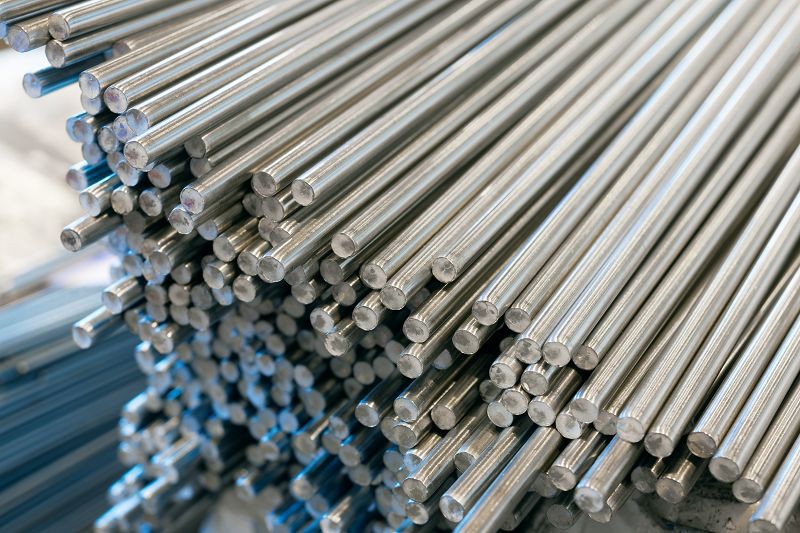

Now, let's compare TA3 Titanium with some other titanium alloys. You might have heard of TC11 Titanium, TC2 Titanium, and TC 9 Titanium. Each of these alloys has its own unique properties and applications. TC11 Titanium, for example, is known for its high - temperature strength and is often used in aerospace engine components. TC2 Titanium has good weldability and is used in some structural applications. TC 9 Titanium has a combination of high strength and good corrosion resistance, making it suitable for various marine and chemical engineering applications.
TA3 Titanium, on the other hand, strikes a balance between strength, corrosion resistance, and cost - effectiveness. It's a great choice for applications where you need a reliable titanium alloy without breaking the bank.
If you're in the market for TA3 Titanium, whether it's for a small - scale project or a large - scale industrial application, I'd love to have a chat with you. The powder metallurgy process we use ensures that the TA3 Titanium we supply is of the highest quality. We can work together to understand your specific requirements and provide you with the right product.
So, don't hesitate to reach out if you're interested in learning more or making a purchase. We're here to help you get the best TA3 Titanium for your needs.
References
- "Titanium Alloys: Fundamentals and Applications" by J. C. Williams and E. W. Collings
- "Powder Metallurgy Principles and Applications" by Randall M. German