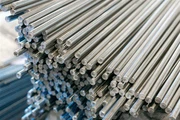

Scientific Management Of Titanium Alloy Maintenance Cycles
Jun 26, 2025
Titanium alloys are widely used in aerospace, medical devices, and high-end consumer products due to their excellent corrosion resistance, high strength, and lightweight properties. However, despite their exceptional durability, scientific maintenance cycle management remains crucial to ensuring their long-term performance.
The maintenance cycle for titanium alloys depends primarily on the operating environment and the media they are exposed to. In normal atmospheric environments, a stable oxide film forms on the surface of titanium alloys, providing excellent corrosion protection. Therefore, routine cleaning every 6 to 12 months is sufficient. However, in cases of long-term exposure to marine environments or high-salt areas, chlorides may damage the oxide film, so inspections are recommended to be shortened to 3 to 6 months, with the use of a neutral detergent to promptly remove salt residue.
For highly stressed titanium alloy components used in industrial or medical applications, such as aircraft engine blades or implantable devices, maintenance intervals are more stringent. Mechanical wear or biocompatibility requirements may dictate specialized inspections every quarter or six months, including surface integrity assessment and non-destructive testing to prevent microcrack propagation. Furthermore, titanium alloy equipment exposed to chemical media (such as acids and alkalis) requires a maintenance plan tailored to specific operating conditions. It's generally recommended to thoroughly flush the equipment after each use, and schedule comprehensive maintenance after a certain period of operation (e.g., 500-1000 hours).
Daily maintenance should prioritize gentle cleaning to avoid scratches from hard objects or corrosion from strong acids and alkalis. Storage should be away from sources of electrochemical corrosion and kept dry and well-ventilated. Fasteners and joints should be regularly inspected to prevent fatigue damage caused by stress concentration.
A well-defined maintenance schedule not only extends the service life of titanium alloys but also maintains their performance advantages. Users should develop a personalized maintenance plan based on their specific application scenarios and manufacturer recommendations to ensure the material remains in optimal condition.