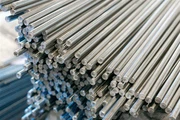

Inconel 600 Nickel-based Alloy The Supreme High-temperature Resistant Champion in Harsh Environments
Jul 03, 2025
Inconel 600, as a classic nickel-chromium-iron-based solid solution strengthened high-temperature alloy, has been available since the mid-20th century. Due to its outstanding high-temperature stability and excellent corrosion resistance, it has become an indispensable key material in high-end industrial fields such as aerospace, petrochemicals, nuclear power, and electricity.
Inconel 600 (UNS N06600/W.Nr.2.4816) is a typical representative of nickel-chromium-iron-based solid solution strengthened high-temperature alloys. It was developed and commercialized by the International Nickel Company (INCO) in the 1940s and has an application history of over 80 years. As one of the earliest developed nickel-based high-temperature alloys, Inconel 600 met the urgent demand of the industrial sector for materials with both high-temperature strength and corrosion resistance at that time, laying the foundation for the development of modern high-temperature alloy systems. This alloy maintains an irreplaceable position in numerous high-temperature corrosion-resistant applications due to its balanced performance and relatively moderate cost. Even with the continuous emergence of new materials, its global annual demand continues to show a stable growth trend.
The core advantage of Inconel 600 lies in its unique performance combination: on one hand, the 72% nickel content endows it with excellent resistance to corrosion by reducing agents; on the other hand, the 14-17% chromium content provides good oxidation resistance and resistance to chloride stress corrosion cracking. This balanced composition ratio enables the alloy to perform well in complex corrosion environments alternating between oxidation and reduction, making it one of the few metal materials capable of resisting dry chlorine gas and hydrogen chloride corrosion, with a usage temperature of up to 650°C. At the same time, the 6-10% iron content not only reduces costs but also improves the alloy's processing performance, making it easier for hot forming and welding.